

The rise of social media influencers has reshaped how people consume content, form opinions, and interact with brands. Influencers now hold power once reserved for traditional celebrities, media outlets, and institutions. However, with influence comes responsibility—and not all influencers handle it well. This has led to a growing phenomenon widely known as Influencers GoneWild.
Influencers GoneWild refers to situations where online creators engage in behavior that sparks controversy, criticism, or backlash. These incidents reveal deeper issues within influencer culture, including pressure to perform, algorithm-driven behavior, lack of oversight, and blurred ethical boundaries. This article provides a comprehensive, informative exploration of Influencers GoneWild, examining its causes, consequences, psychological impact, legal implications, and future trends.
Quick Answer: Influencers GoneWild refers to moments when social media influencers engage in controversial, reckless, or attention-seeking behavior that sparks public backlash. These incidents often involve offensive content, oversharing, unethical promotions, or personal meltdowns. The phenomenon has gained attention because influencer culture is highly visible, audiences are emotionally invested, and social media algorithms amplify sensational content. Influencers GoneWild highlights the pressures of online fame, the blurred line between personal and public life, and the risks of unfiltered digital influence, making it a major topic in modern social media discussions.
What Is Influencers GoneWild and Why Has It Gained Attention?
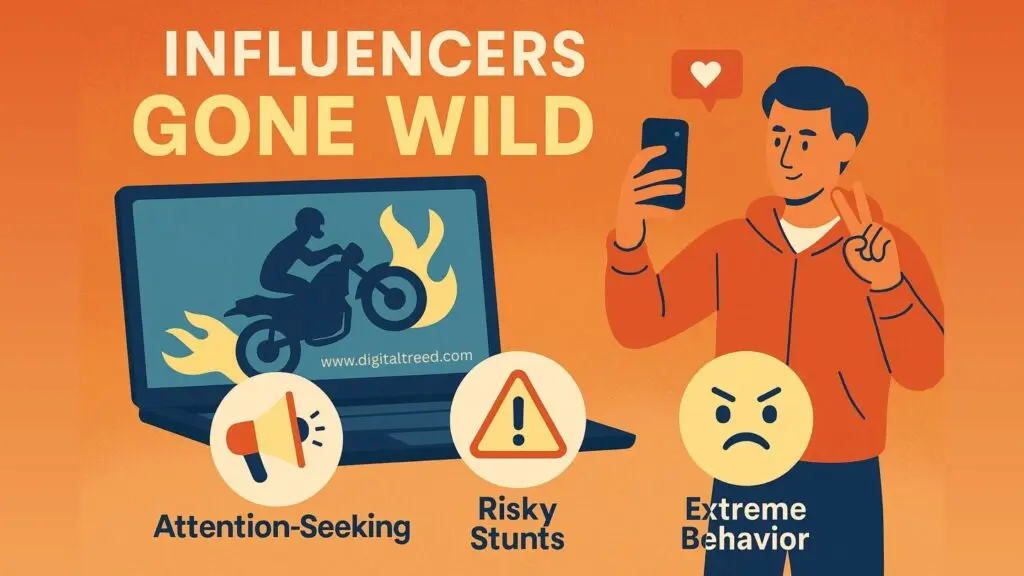
The term Influencers GoneWild broadly describes moments when social media influencers behave recklessly, irresponsibly, or controversially in public digital spaces. These incidents often involve viral content that draws attention for the wrong reasons—ranging from offensive posts and misinformation to unethical promotions or personal meltdowns broadcast online.
The concept has gained attention because influencer culture has become deeply embedded in everyday life. Millions of people follow influencers for advice, entertainment, and inspiration. When influencers cross boundaries, their actions can influence public opinion, consumer behavior, and even social norms. Influencers GoneWild is not just about individual mistakes—it reflects systemic challenges within the attention-driven economy of social media.
How Did Influencer Culture Create the Conditions for Influencers GoneWild?
Influencer culture developed rapidly due to the accessibility of social media platforms. Unlike traditional fame, which required industry gatekeepers, influencer fame is often instant and unfiltered. Anyone with engaging content can build a large following in a short period of time.
This fast growth creates an environment where creators are rewarded for visibility, not responsibility. Algorithms prioritize engagement, often amplifying controversial or emotional content. As competition increases, influencers may feel compelled to push boundaries to remain relevant. Influencers GoneWild is, in many ways, a byproduct of a system that values attention over accountability.
Why Do Influencers Feel Pressure That Leads to Going Wild?
Influencers face constant pressure to produce content, grow followers, and maintain engagement. Their income often depends directly on visibility, making consistency essential. This pressure can be mentally exhausting and emotionally overwhelming.
Many influencers feel they must share personal experiences to appear authentic, even when those experiences involve conflict or distress. Over time, the line between private life and public persona disappears. When influencers are stressed, burnt out, or emotionally vulnerable, impulsive decisions can occur—leading to Influencers GoneWild moments that spiral out of control.
What Are the Most Common Types of Influencers GoneWild Incidents?
Influencers GoneWild incidents take many forms, each revealing different risks of online fame. Some of the most common include controversial statements, insensitive jokes, or offensive content that triggers public backlash. Others involve unethical sponsorships, where influencers promote harmful or misleading products.
Another category includes public emotional breakdowns, livestream arguments, or feuds with other creators. Oversharing personal or private information—sometimes involving third parties—also falls under this phenomenon. In more severe cases, influencers may engage in illegal or dangerous activities, amplifying the consequences of their actions through their platforms.
How Does Audience Behavior Contribute to Influencers GoneWild?
Audiences play a significant role in Influencers GoneWild scenarios. Engagement metrics such as likes, shares, and comments reward sensational content. When controversial posts receive massive attention, it reinforces the behavior that created them.
Some audience members engage out of curiosity or entertainment, while others participate in criticism or outrage. In extreme cases, online harassment escalates the situation further. This feedback loop—where influencers act out, audiences react intensely, and algorithms amplify everything—creates an ecosystem where Influencers GoneWild incidents spread rapidly and become difficult to control.
What Psychological Factors Drive Influencers GoneWild Behavior?
Psychological dynamics are central to understanding Influencers GoneWild. Social media platforms operate on validation systems that trigger dopamine responses. Each notification, comment, or view reinforces the desire for more attention.
For some influencers, self-worth becomes tied to engagement metrics. Criticism can feel like a personal attack, leading to defensive or erratic responses. Additionally, long-term exposure to public scrutiny can cause anxiety, stress, and burnout. Without proper support systems, influencers may struggle emotionally, increasing the likelihood of impulsive or controversial actions.
How Does Influencers GoneWild Impact Mental Health?
Mental health is both a cause and consequence of Influencers GoneWild incidents. Influencers often face unrealistic expectations, constant comparison, and fear of irrelevance. These pressures can contribute to depression, anxiety, and identity confusion.
When a controversy erupts, the emotional toll intensifies. Public criticism, loss of income, and damaged relationships can have lasting psychological effects. At the same time, audiences consuming Influencers GoneWild content may normalize toxic behavior, reinforcing unhealthy online environments. Addressing mental health is essential to creating a more sustainable influencer ecosystem.
What Are the Business and Brand Risks of Influencers GoneWild?
Brands rely heavily on influencers for marketing, but Influencers GoneWild incidents present serious risks. A single controversial post can force brands to distance themselves quickly to avoid reputational damage.
This can result in canceled campaigns, financial losses, and legal disputes. As a result, many companies are now more cautious, conducting deeper background checks and favoring long-term partnerships over viral reach. Influencers GoneWild has reshaped brand strategies, emphasizing reliability, values alignment, and risk management.
How Do Social Media Platforms Enable Influencers GoneWild?
Social media platforms play a critical role in Influencers GoneWild behavior. Algorithms often reward engagement without evaluating intent or harm. Content that provokes outrage or shock is more likely to go viral.
Moderation systems struggle to keep up with the volume of content posted daily. Inconsistent enforcement of community guidelines can send mixed signals to influencers. While platforms benefit financially from high engagement, they also face growing pressure to address the ethical consequences of Influencers GoneWild incidents.
What Legal Issues Are Linked to Influencers GoneWild?
Legal consequences are becoming more common in Influencers GoneWild cases. Influencers may face penalties for failing to disclose paid promotions, violating advertising regulations, or spreading misinformation.
Other legal risks include defamation, invasion of privacy, copyright infringement, and breach of contract. As influencer marketing becomes more regulated, creators are increasingly held accountable for their actions. Understanding legal responsibilities is essential for influencers seeking long-term sustainability.
Can Influencers Recover After Going Wild?
Recovery from Influencers GoneWild incidents is possible but not guaranteed. Success depends on the severity of the situation, the influencer’s response, and audience perception.
Authentic accountability, sincere apologies, and visible behavior change can rebuild trust. Some influencers use controversies as turning points, becoming advocates for mental health, ethics, or transparency. Others fail to recover due to repeated mistakes or lack of credibility. Recovery requires time, consistency, and genuine growth.
How Can Influencers Prevent Influencers GoneWild Situations?
Prevention starts with self-awareness and planning. Influencers can reduce risk by setting clear boundaries between personal life and content creation. Pausing before posting, especially during emotional moments, is critical.
Seeking professional guidance—from managers, legal advisors, or mental health professionals—can help influencers navigate pressure. Most importantly, prioritizing long-term trust over short-term engagement helps prevent Influencers GoneWild behavior and supports sustainable growth.
What Responsibility Do Audiences Have in Influencers GoneWild Culture?
Audiences are not passive participants. Their engagement shapes what content succeeds. Supporting ethical creators, avoiding harassment, and practicing critical thinking can reduce the incentive for extreme behavior.
Viewers should recognize that influencers are human, while still holding them accountable. Encouraging thoughtful discourse instead of outrage contributes to healthier online communities and reduces the spread of Influencers GoneWild content driven purely by shock value.
How Is Influencers GoneWild Changing the Definition of Fame?
Influencers GoneWild highlights a new kind of fame—instant, unfiltered, and highly unstable. Traditional celebrities had layers of management and media control. Influencers often navigate fame alone, learning through trial and error.
This shift has democratized visibility but increased personal risk. Fame is no longer a destination but a volatile state that requires constant maintenance. Influencers GoneWild represents the growing pains of this new digital fame model.
What Is the Future of Influencers GoneWild?
As digital culture evolves, Influencers GoneWild is likely to persist but change form. Increased regulation, audience awareness, and creator education may reduce extreme behavior. Platforms may also adjust algorithms to prioritize quality over controversy.
However, as long as attention equals revenue, some level of chaos will remain. The future depends on whether the influencer economy can balance creativity, responsibility, and mental well-being more effectively.
Conclusion: What Does Influencers GoneWild Ultimately Teach Us?
Influencers GoneWild is more than online drama—it is a reflection of modern digital culture, economic pressure, and human psychology. It exposes the risks of unchecked influence, algorithmic incentives, and emotional labor in public spaces.
By understanding the causes and consequences of Influencers GoneWild, influencers, brands, platforms, and audiences can work toward a healthier ecosystem. The goal is not to eliminate mistakes, but to encourage accountability, growth, and responsible use of influence in a connected world.
1 Comment